 111
111 2
2 3
3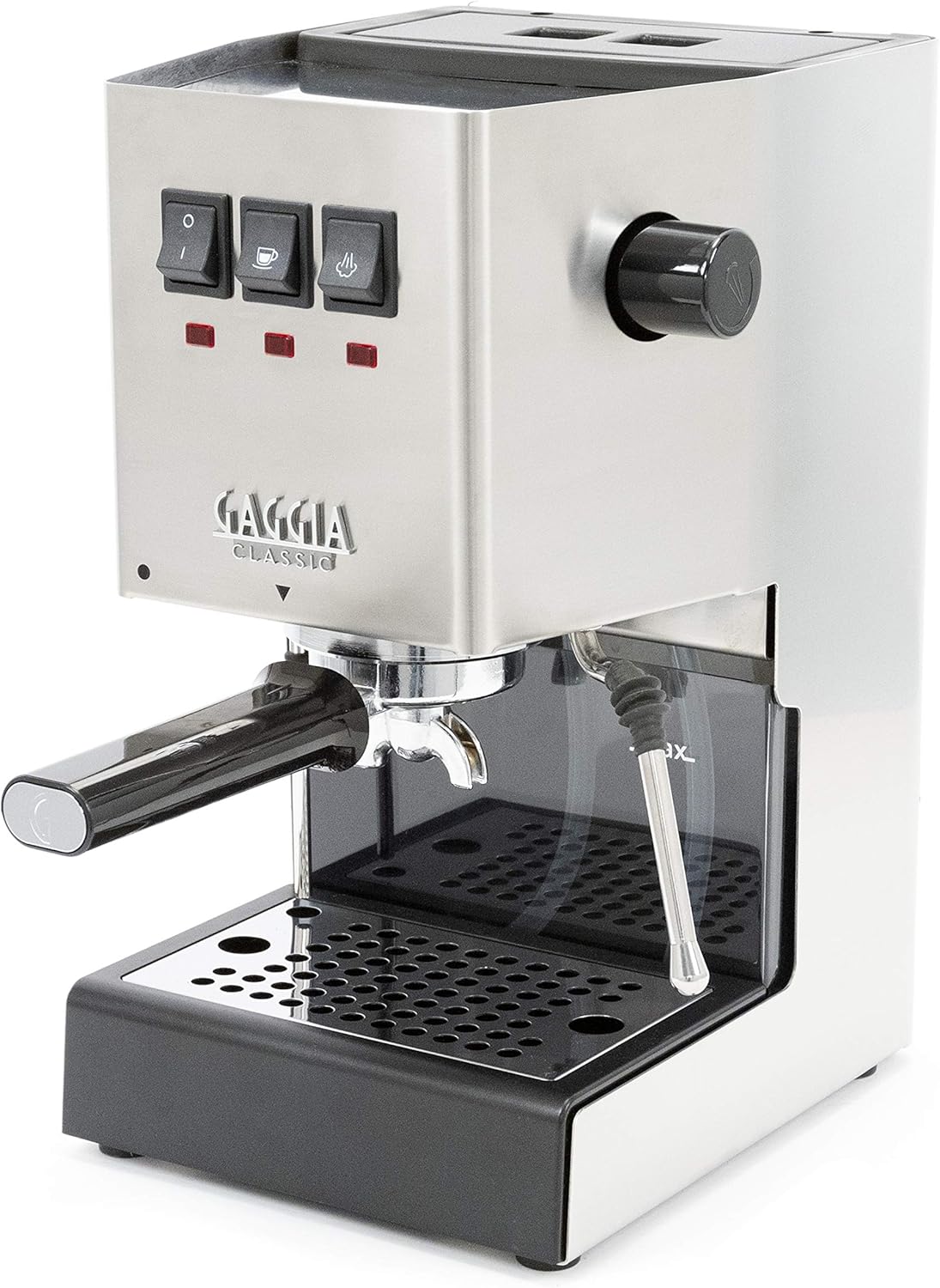
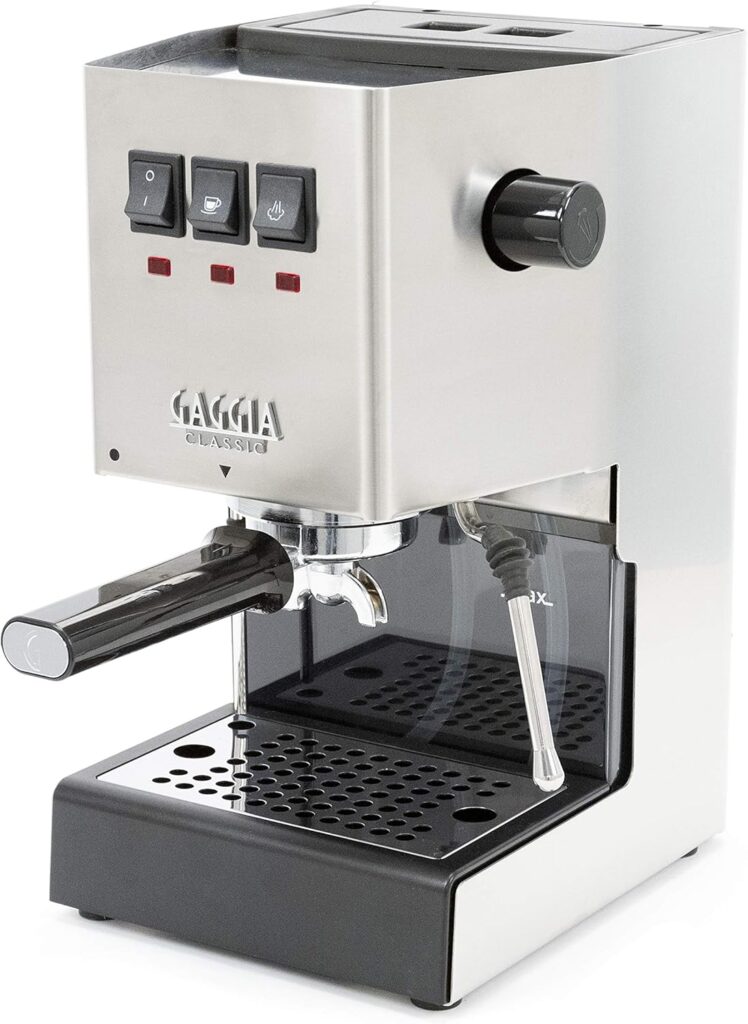
The rise of specialty coffee culture has transformed how people approach their daily espresso. Home brewing is no longer limited to basic drip machines or capsule systems; instead, many coffee enthusiasts now explore semi-automatic espresso equipment that brings café-level techniques into the kitchen. Among these machines, the Gaggia RI9380/46 E24 Espresso Machine, Brushed Stainless Steel stands out as a notable example of traditional espresso engineering adapted for home use.
This guide provides a comprehensive, non-promotional overview of the machine, its brewing system, design philosophy, functionality, and its role in the broader espresso ecosystem. It is intended purely for educational and informational purposes.
To understand this espresso machine, it is important to first understand the philosophy behind its manufacturer. Gaggia is an Italian company with deep historical roots in espresso innovation. The brand is widely associated with traditional espresso preparation techniques that emphasize pressure-based extraction and hands-on control.
Unlike fully automated systems that prioritize convenience, Gaggia’s design philosophy tends to preserve the craft aspect of espresso making. This means users are encouraged to engage with the brewing process—controlling grind size, dosing, tamping, and extraction timing.
The RI9380/46 E24 model reflects this philosophy by combining semi-automatic functionality with a design that supports learning and experimentation.
The Gaggia RI9380/46 E24 Espresso Machine, Brushed Stainless Steel is a semi-automatic espresso machine designed primarily for home environments. It is engineered to bridge the gap between entry-level coffee systems and more advanced professional-style equipment.
Rather than fully automating espresso preparation, it provides a structured system where the user participates in key stages of brewing. This makes it suitable for individuals who want to understand espresso fundamentals while still achieving consistent results.
Key characteristics include:
These elements form the foundation of its functionality and user experience.
One of the most prominent features of this machine is its brushed stainless steel exterior. This material choice is not only aesthetic but also functional.
Stainless steel is commonly used in espresso machines due to its resistance to corrosion and wear. It provides structural integrity, especially in environments exposed to heat, moisture, and steam.
The brushed finish allows the machine to blend into modern kitchen environments without appearing overly industrial or bulky. Its neutral metallic tone complements a wide range of kitchen styles.
The machine is designed with a relatively compact footprint, making it suitable for countertops where space is limited. Despite its small size, it incorporates essential espresso-making components typically found in larger systems.
At the heart of the machine is its espresso extraction system. Espresso is produced by forcing hot water through finely ground coffee under pressure.
The machine uses an internal pump to generate the pressure required for espresso extraction. This pressure is crucial because it influences:
Consistent pressure ensures that water flows evenly through the coffee puck, extracting desirable compounds efficiently.
The group head is where water meets coffee. In semi-automatic machines like this one, the stability of the group head temperature plays a significant role in ensuring consistent extraction quality.
A defining feature of this espresso machine is its use of a portafilter system. This component is essential for manual espresso preparation.
The portafilter holds the ground coffee during extraction. It locks into the machine’s group head and allows pressurized water to pass through the coffee bed.
The quality of espresso depends heavily on several user-controlled variables:
Each of these factors influences how water flows through the coffee puck, affecting flavor and strength.
This manual involvement is one reason semi-automatic machines are often used by individuals who want to develop espresso skills. It introduces users to the same principles used in professional cafés.
Temperature stability is a critical factor in espresso preparation. Water that is too hot or too cold can significantly alter flavor extraction.
The machine typically operates using a single boiler system. This means one heating element is responsible for both brewing and steam production.
During espresso extraction, water is maintained within a temperature range suitable for dissolving coffee compounds effectively without burning them.
Because brewing and steaming use different temperature ranges, users may need to allow time for the machine to adjust when switching functions.
Milk-based beverages such as cappuccinos and lattes require properly textured milk. This machine includes a manual steam wand for that purpose.
The steam wand injects pressurized steam into milk, heating it while introducing air. This process creates microfoam, which is essential for espresso-based milk drinks.
With practice, users can achieve:
Unlike automatic frothing systems, manual steaming requires technique. This makes it a learning tool for understanding milk chemistry and temperature control.
The machine includes a removable water reservoir designed for convenience in home environments.
Users can remove the reservoir, fill it with fresh water, and reattach it easily. This supports routine daily use without requiring plumbing installation.
The reservoir is designed to support multiple espresso extractions before needing a refill, making it suitable for household consumption patterns.
Using the machine involves a structured sequence of steps:
Each step contributes to the final cup quality, reinforcing the importance of technique and consistency.
Proper maintenance is essential for maintaining performance and flavor consistency.
Regular maintenance ensures that water flow remains unobstructed and that flavors are not affected by residue buildup.
The machine’s performance can be evaluated through several practical factors:
Once properly dialed in, the machine can produce repeatable espresso shots with similar flavor profiles.
Users have significant influence over extraction variables, allowing customization of taste.
Performance improves as users refine their technique in grinding, tamping, and extraction timing.
The steam wand provides sufficient power for standard home milk frothing needs.
This machine is best suited for:
It is less focused on automation and more on user engagement with the brewing process.
Home espresso machines have evolved significantly, ranging from fully automated systems to manual lever machines. Semi-automatic machines like this one occupy a middle position.
They allow users to experience espresso preparation in a structured yet flexible environment. This category has become especially popular among those who want to move beyond convenience-based brewing and explore the craft of espresso.
The Gaggia RI9380/46 E24 Espresso Machine, Brushed Stainless Steel represents a traditional approach to espresso preparation adapted for modern home use. Its design emphasizes manual control, durable construction, and engagement with core espresso principles.
Rather than automating the entire process, it provides a framework where users can learn and refine the essential skills involved in espresso making. This makes it a relevant example of how classic espresso engineering continues to influence home coffee culture today.