 111
111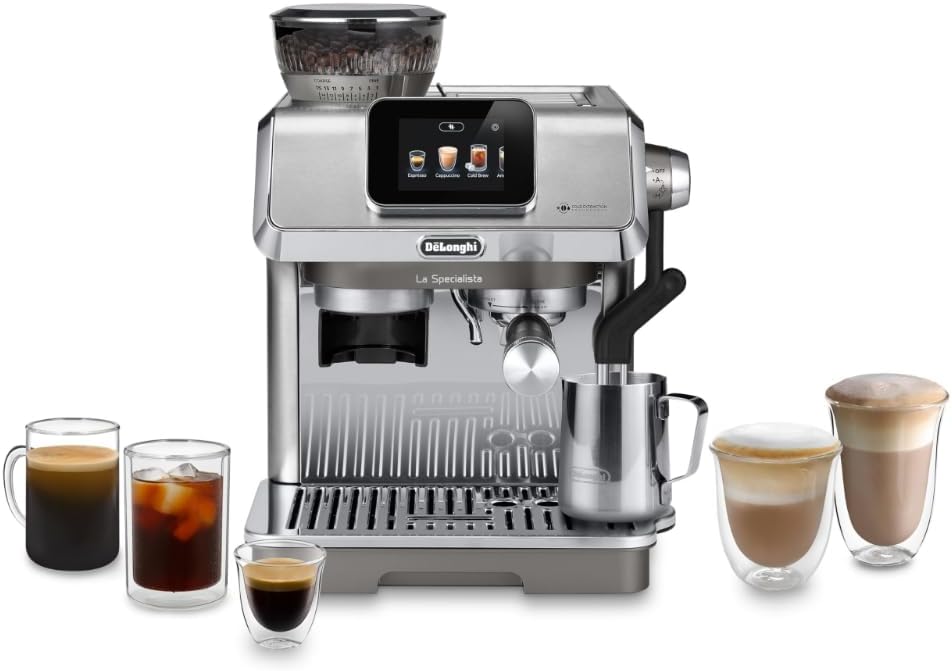 2
2 3
3 The modern coffee landscape has evolved far beyond simple drip brewing. Today, many households aim to recreate café-style beverages with precision, consistency, and convenience. Machines that combine grinding, extraction, and milk preparation into a single system are increasingly popular among users who want greater control without building a full professional setup.
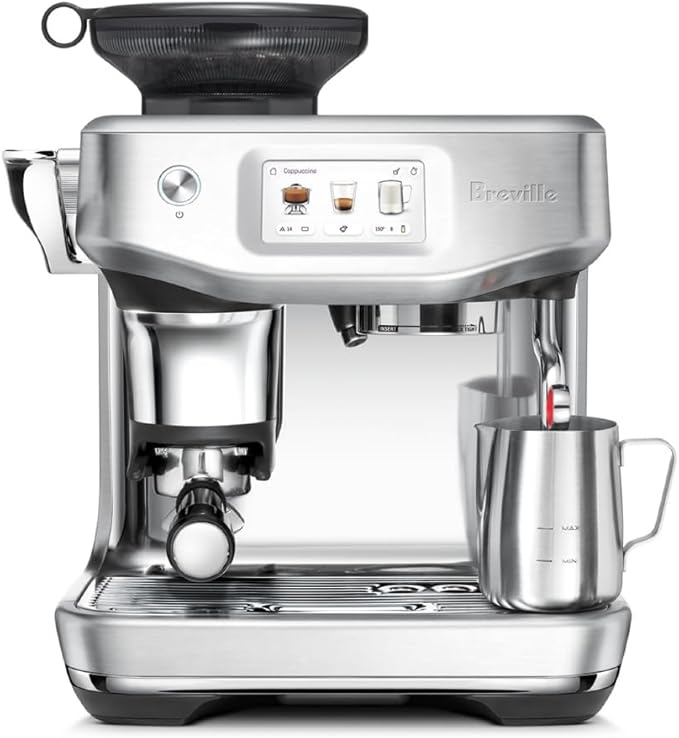
One of the notable entries in this category is the De’Longhi La Specialista Touch Espresso Machine with Grinder & Milk Frother. Designed by De’Longhi, this machine integrates multiple coffee preparation steps into a compact bean-to-cup system. It also includes features for hot espresso, iced drinks, and cold brew-style coffee, making it a versatile option for different preferences.
This article provides a detailed, informational breakdown of its design, features, brewing system, usability, and where it fits in modern coffee preparation workflows.
The De’Longhi La Specialista Touch is a fully integrated espresso system that combines:
Instead of using separate devices for grinding, brewing, and milk steaming, this machine consolidates the entire process into one workflow.
The goal is to reduce complexity while still preserving key variables that influence coffee quality, such as grind size, extraction pressure, and milk texture.
One of the defining features of this machine is its integrated conical burr grinder.
Coffee quality begins with the grind. Pre-ground coffee loses aroma and flavor compounds quickly due to oxidation. A built-in grinder helps preserve freshness by grinding beans immediately before brewing.
A consistent grind size helps ensure even extraction. Uneven grinding can lead to over-extraction (bitter taste) or under-extraction (sour taste). The burr system reduces these inconsistencies compared to blade grinders.
The espresso brewing system is engineered to control pressure, temperature, and flow rate.
When hot water passes through finely ground coffee under pressure, it extracts oils, acids, and soluble compounds. The balance of these elements determines taste, body, and aroma.
Consistency is one of the hardest things to achieve in home coffee brewing. Variations in temperature or pressure can significantly affect flavor. A controlled system helps reduce these inconsistencies.
The “Touch” aspect of this machine refers to its interactive interface.
The machine includes multiple preset beverages, typically covering:
These presets are designed to standardize preparation steps, including grind size, water volume, and extraction timing.
Instead of manually adjusting every variable, users can rely on predefined recipes while still having the option to fine-tune parameters.
Milk-based drinks require properly textured foam, not just heated milk.
The system integrates a steam-based frothing mechanism that introduces air into milk, creating microfoam.
Milk texture affects both flavor and mouthfeel. Microfoam allows better integration with espresso, producing a smoother drinking experience.
One of the more modern additions to espresso machines is cold coffee preparation support.
Cold brew traditionally requires long steeping times in cold water. This machine simulates aspects of that profile using controlled low-temperature extraction methods.
The system can also produce concentrated espresso designed to be poured over ice without excessive dilution.
Cold coffee consumption has increased significantly in recent years, especially in warm climates. Machines that support both hot and cold preparation offer greater flexibility for seasonal preferences.
The machine follows a bean-to-cup concept, meaning it handles grinding, dosing, brewing, and serving in one flow.
Despite its multiple functions, the design is relatively compact compared to traditional multi-device setups.
De’Longhi is known for combining engineering precision with aesthetic design principles rooted in Italian appliance manufacturing.
The focus is not only visual appeal but also accessibility. Controls are placed to reduce confusion, and components are designed for intuitive use.
Despite its advanced capabilities, the machine is designed for accessibility.
This dual-level design makes it suitable for both casual users and more detail-oriented coffee enthusiasts.
Maintenance plays a major role in espresso machine performance.
Many cleaning functions are guided through the interface, reducing the complexity of upkeep.
Coffee oils and mineral deposits can affect flavor and machine longevity. Regular cleaning ensures stable performance over time.
One of the most important aspects of any espresso system is repeatability.
Users can expect similar output across multiple brewing sessions, which is especially important for households that drink coffee daily.
This kind of integrated espresso system is typically suited for:
It may be less suited for those who prefer fully manual espresso workflows or industrial-grade control systems.
To understand its role, it helps to compare it with separate appliances.
While integrated systems offer convenience, standalone setups may offer more granular control for advanced users.
A key strength of this machine is flexibility in beverage creation.
This makes it adaptable to different preferences within a household.
The De’Longhi La Specialista Touch Espresso Machine with Grinder & Milk Frother represents a modern approach to home coffee preparation. By integrating grinding, brewing, milk texturing, and cold coffee capabilities into a single system, it simplifies the process of producing café-style beverages at home.
Its combination of automation and customization reflects a broader trend in coffee technology: reducing complexity while maintaining quality control.
For users exploring a more streamlined way to prepare a variety of coffee drinks without managing multiple devices, this type of machine offers a structured, all-in-one solution grounded in consistency, versatility, and design efficiency.